- Home
- Bird Watching
Namibia · Birding
Bird Watching Safaris in Namibia
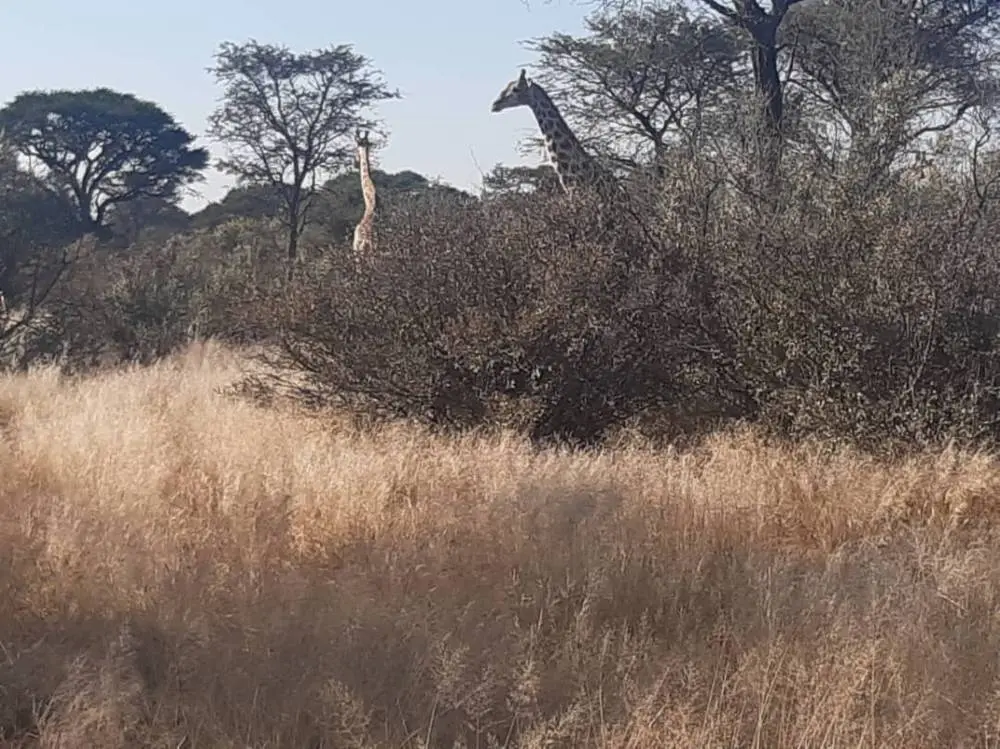
The thornveld of eastern Namibia is rich in birdlife – from colourful rollers and busy weavers to raptors and ostriches. Explore 40,000 acres with your binoculars on guided drives and quiet walks, and stay in a private chalet on the farm.
40,000 acres
of thornveld, grassland and red sand
Kalahari birds
rollers, weavers, shrikes and raptors
Nov – Apr
the best months for birding
All meals
included in the daily rate
Birding in Namibia
Birding at the edge of the Kalahari
Shamwari Damara lies in the Omaheke Region of eastern Namibia, at the edge of the Kalahari. Acacia thornveld, open grassland and red sand create a mix of habitats that suits many birds – seed-eaters in the grass, insect hunters in the bush and raptors watching over the open plains.
You don't need to be an expert. Many of the birds here are large, colourful or easy to watch – and with a field guide or an app you will soon put names to what you see.
Birds you may see
Typical birds of the Kalahari thornveld
What you see depends on the season and the rains – ask us what has been spotted recently.
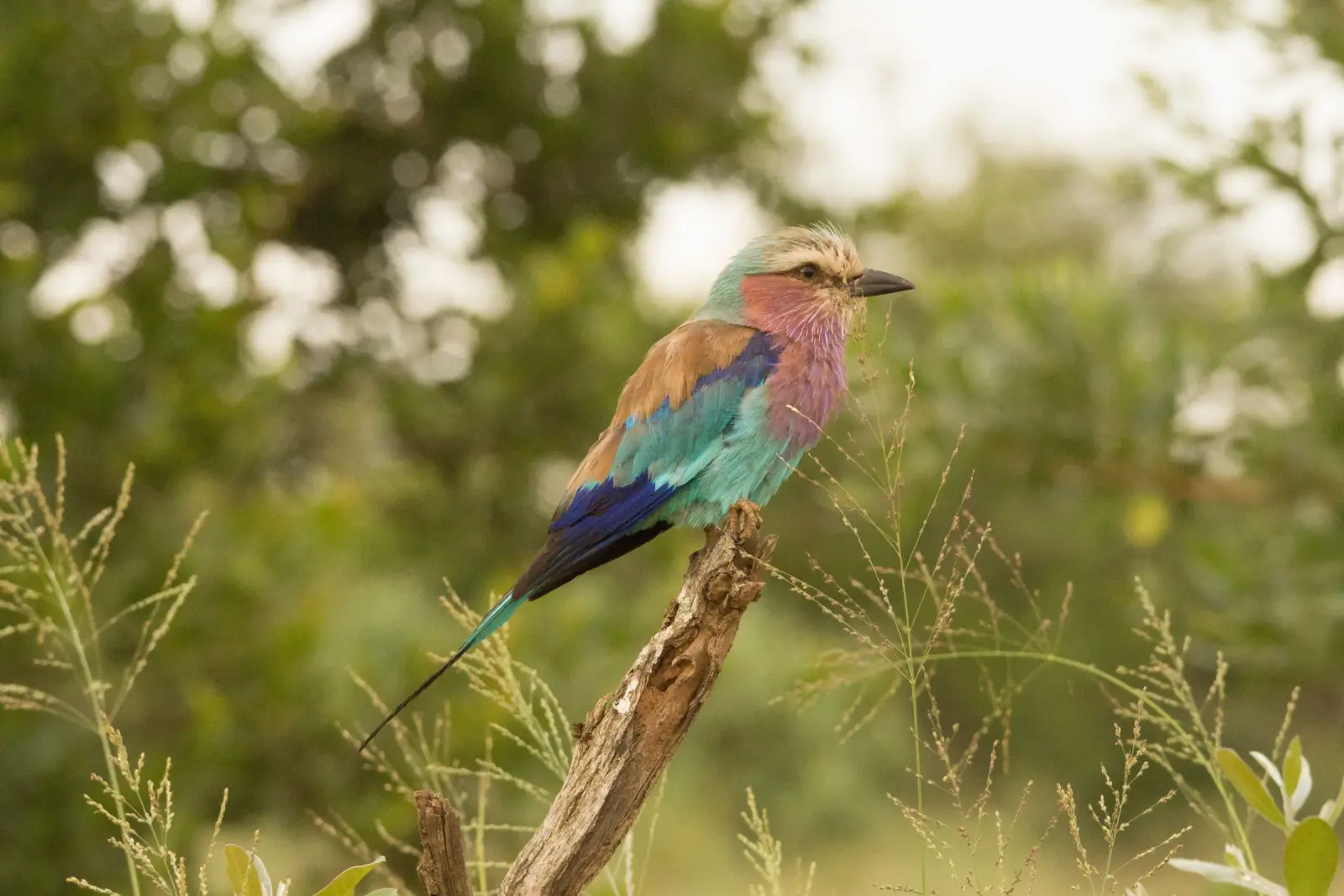
Lilac-breasted roller
One of Africa's most colourful birds, often perched on a bare branch.
Crimson-breasted shrike
Bright red underparts – a typical bird of the Kalahari thornveld.
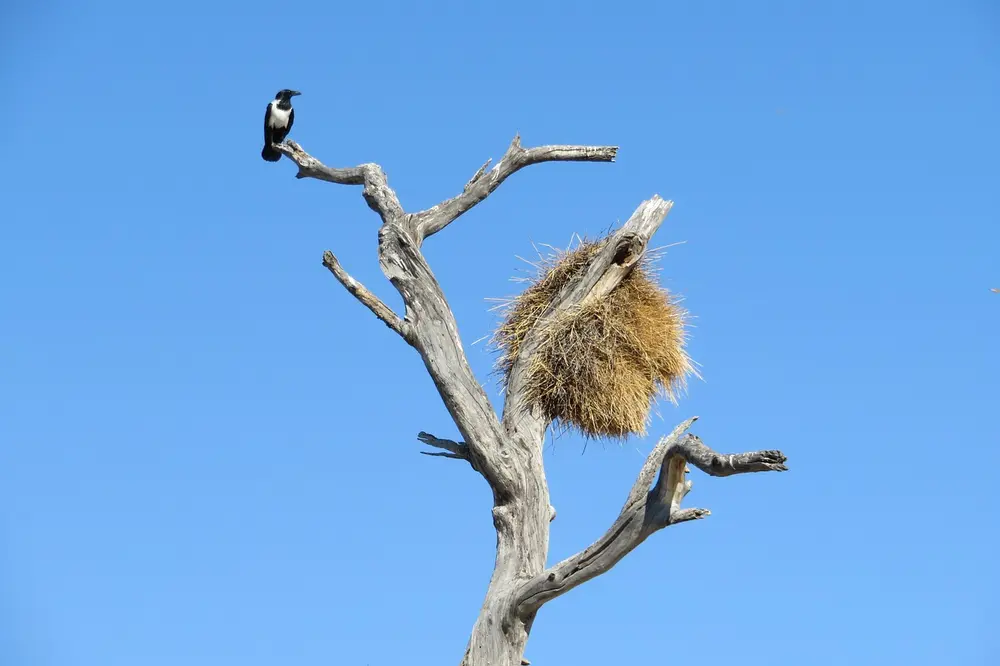
Sociable weaver
Builds huge communal nests that house a whole colony.
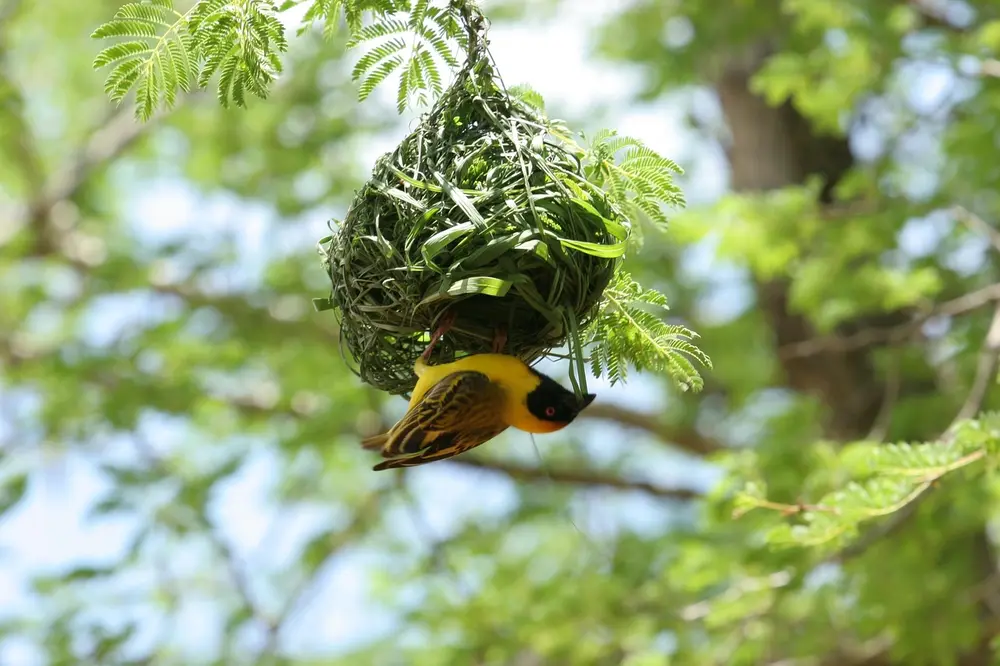
Southern masked weaver
Weaves neat, hanging nests from grass and leaves.
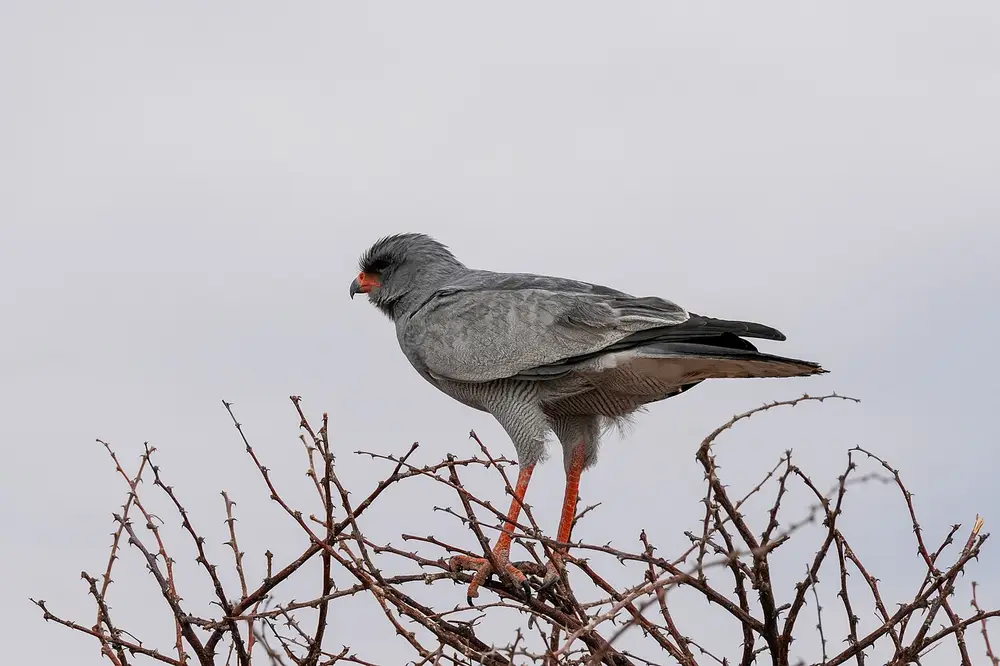
Pale chanting goshawk
A pale grey raptor with long red legs, often on a treetop or post.
African pygmy falcon
Africa's smallest raptor, which often lives in sociable weaver nests.
Kori bustard
One of the heaviest flying birds in the world.
Secretarybird
Strides through the grass on long legs, hunting snakes and insects.
Ostrich
The world's largest bird – it also roams the farm.
Southern yellow-billed hornbill
A common, curious visitor with a large yellow bill.
Kalahari scrub robin
Fans its rufous tail while it forages under the bushes.
Marico flycatcher
A small brown-and-white flycatcher of the thornveld.
Your birding safari
How you go birding with us
Guided drives
Cover more ground on the farm tracks with a driver who knows the area – and stop wherever a bird catches your eye.
Quiet walks
Walk the farm's safe hiking trails at your own pace – the best way to hear and find the smaller birds.
Around the lodge
Keep your binoculars handy at the lodge too – early mornings and late afternoons are usually the busiest times for birds.
Bird photography
Bring a long lens: perched rollers, shrikes and raptors make rewarding subjects.
Tours with a guide
Ask us about guided tours – we are happy to plan them around your interests.
A comfortable base
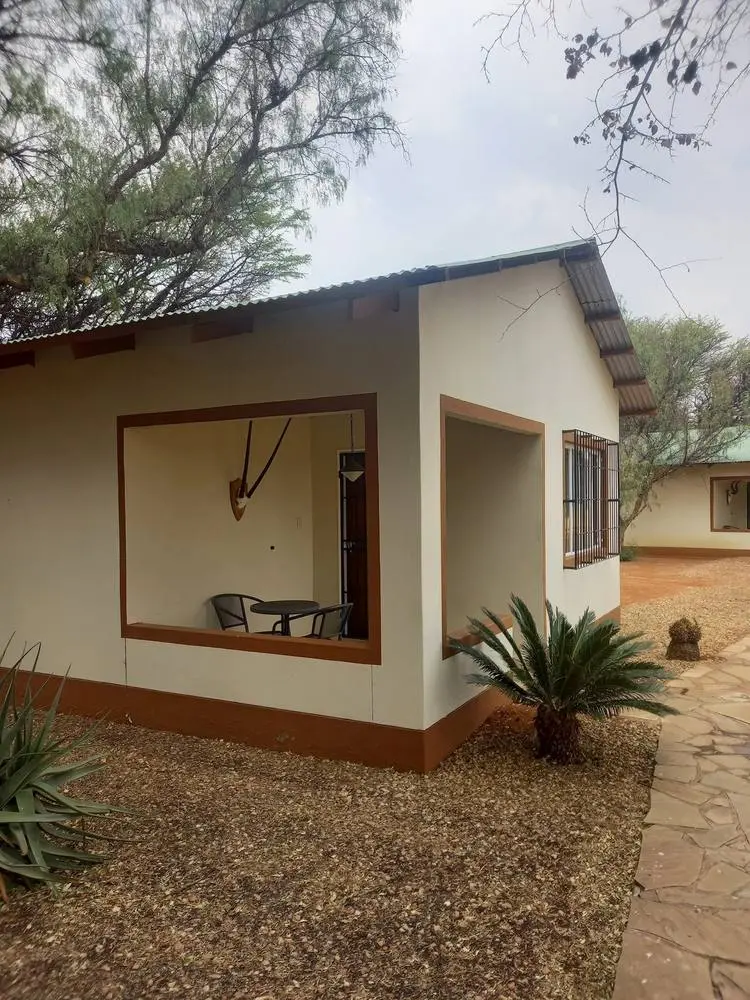
Your private chalet, the swimming pool, a campfire in the evening and home-cooked meals.
When to come
The best time for bird watching in Namibia
Rainy season · November to April
The best months for birding: summer migrants arrive from Europe and other parts of Africa, and many birds breed and wear their brightest colours.
Dry season · May to October
Good birding too: in the thinner bush birds are easier to spot, and many gather near water. Mornings are cold, the days mild and sunny.
What to bring
- Binoculars (8x or 10x) – ideally one pair per person
- A field guide to southern African birds or a birding app
- A camera with a telephoto lens
- A notebook for your bird list
- A hat, sun protection and neutral-coloured clothing
- Warm layers for early mornings in winter
Prices for non-hunting guests
| What | Price |
|---|---|
| Non-hunter, per day | € 150 |
| Children under 12, per day | € 80 |
| Game drive, up to 4 people | € 80 |
The daily rate includes your chalet, all meals, soft drinks and beer in moderation, daily cleaning, laundry and the swimming pool. A government tax of 15% applies.
Questions & answers
Bird watching FAQ
Is Shamwari Damara good for beginners?
Yes. You don't need to be an expert – many of the birds are large, colourful or easy to watch. A field guide or an app helps you put names to what you see.
When is the best time for bird watching in Namibia?
The rainy season from November to April is the best time: summer migrants arrive and many birds breed. The dry months from May to October are good too, as birds are easier to spot in the thinner bush.
Do I need my own binoculars?
Yes, please bring your own – ideally one pair per person. It makes birding much more enjoyable.
Can I combine bird watching with a hunt or a photo safari?
Yes. Birders, photographers and hunters can share the same stay. Tell us what each person would like to do and we will plan the days.
How far is the farm from Windhoek?
The farm is 144 km from Windhoek airport, about 1 hour 45 minutes by road. On request we collect you at the airport.
More to discover
Make the most of your stay
Ready for your birding trip?
Tell us your dates and the number of guests – we will get back to you personally.